Slabjacking in Meridian, Idaho
A dropped garage pad or porch can take grout or foam. A rotated footing cannot.
Free estimate.
- Free estimates
- Treasure Valley
- Local crew
- One number
What's included
This job covers
- Garage slab that tilted toward the house
- Porch pad that dropped
- Interior kitchen slab low spot
Meridian Quality Foundation Repair
Slabjacking in Meridian, Idaho
Meridian Quality Foundation Repair does slabjacking in Meridian, Idaho for sunken interior slabs, garage pads, and porches that dropped while the house stem stayed put. Grout or foam fills the void and lifts the panel. It does not replace a footing.
Call (208) 826-0651 if the car bottoms out on a garage pad or a porch step grew taller on one side. We check the stem before we drill.
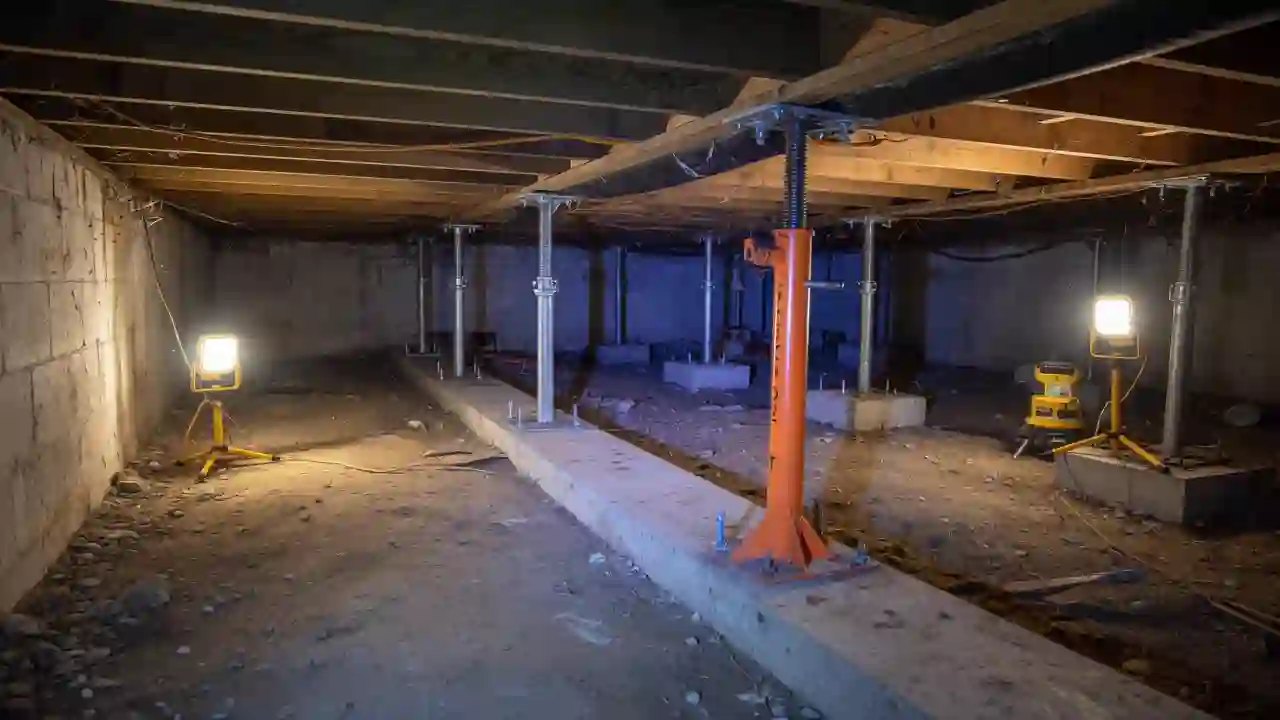
Slabjacking Options for Meridian Properties
Not every low concrete panel is a candidate. The three below are.
Garage slab that tilted toward the house
Water runs under the slab at the overhead door. The panel tilts and the door drags. We drill, pump, and watch the door gap. If the garage stem rotated with the slab, this becomes a pier conversation. We split that on the visit.
Porch pad that dropped
A porch on a floating pad settles while the house stays. Steps trip. We lift the pad back toward the threshold. Rail posts and brick veneer can crack during a lift. We say that before the pump starts.
Interior kitchen slab low spot
Some houses have a slab section in a kitchen or a sunroom that sank. Furniture legs walk. We foam or slurry that panel only if the void is real and the soil is not still pumping mud. A slab on active irrigation leak waits until the leak is dead.
How We Handle Slabjacking in Meridian
We confirm the house stem did not move with the slab. A laser on the house floor and on the pad tells that story in a minute. If both moved, we stop this method.
We map holes. Slurry wants larger ports. Foam wants smaller ports. We mark saw joints so we lift a panel, not a whole floor as one sheet.
We pump in short shots and watch the lift. A quarter inch at a time beats a blowout. We stop if the slab cracks in a new place and reassess.
We patch holes with a mix that will take a broom or a grind. Color will not match an old pad. We say that in the quote.
We look at the water path that made the void. A downspout at the garage corner is the usual culprit. Lift without that change is a short win.
Materials and Methods
Mudjacking slurry is a cementitious mix pumped under the slab. Polyurethane foam expands, cures fast, and weighs less. Hole size, cure time, and how the mix behaves in a wet void are the trade-offs. We use a pump, ports, and shims at a threshold if the lift has to meet a door. A 5/8 inch foam hole and a 2 inch slurry hole are both patched. Neither is invisible.
Slabjacking is polyurethane grout or a cementitious slurry through drilled ports. Control joints still have to work after the lift. 5/8-inch holes are typical for foam. A laser on the slab. Isolation at the garage stem. We do not foam a slab that is still rocking on pumping fill without a base conversation. Helical piers are a different method for the house, not the walk.
This method is for slabs. Push piers, helical shafts, and crack epoxy are other tools. They do not belong in a foam hose. If the soil under the slab is still eroding, we fix water first. Foam in a live washout is a balloon.
A broom-finished garage pad will show every patch. An interior kitchen slab under vinyl may hide the circle. We ask what you will see when we leave. Control joints are friends. Pumping across a joint lifts two panels and can hinge the joint. We stay inside the panel we marked. If the void is only at the overhead-door edge, we do not chase foam to the back wall for sport. A porch that dropped while the house threshold stayed is the cleanest lift. A porch poured with the house is often a stem job in disguise. We check the joint. Garage weatherstripping that drags on one side is a height clue. We measure that gap in inches, not in feelings. After the pump, we check the door spring travel so the door still clears.
What Slabjacking Costs in Meridian
Angi lists mud- or slab-jacking around 500 to 1300 dollars. Fixr puts mudjacking and slab jacking around 500 to 1900. HomeAdvisor's foundation cost guide uses 500 to 1300 for slabjacking or mudjacking. Those are national bands for the lift itself, not for a new pad.
Panel size, mix choice, and access for the pump are the three movers. A small porch is not a two-car garage. Call (208) 826-0651 with photos of the gap at the door.
Garage and porch slabs on Meridian fill
Slabjacking in Meridian is for panels that dropped while the house stem stayed put. Garage pads on south Meridian fill are the volume call. Water runs under the slab at the overhead door. The panel tilts. The door drags. Foam or slurry fills the void and lifts the panel. It does not replace a footing that rotated.
Fill over laterals and soft spots under a porch pad create voids after irrigation season. Clay that washes out under a control joint leaves a hollow you can hear when you walk. Freeze-thaw can pop an edge that already sat over a void. We still confirm the house did not move with the slab. A laser on the house floor and on the pad tells that story in a minute. If both moved, we stop this method.
Crawl houses with a floating porch are clean lifts when the threshold stayed. Slab-on-grade kitchens and sunrooms can take a local foam shot if the void is real and the soil is not still pumping mud. A slab on an active irrigation leak waits until the leak is dead. Foam in a live washout is a balloon.
Hole size follows the mix. Slurry wants larger ports. Foam wants smaller ones. Patches show on a broom-finished garage. An interior floor under vinyl may hide the circle. Control joints are friends. Pumping across a joint lifts two panels and can hinge the joint. We stay inside the panel we marked.
Call (208) 826-0651 if the car bottoms out on a garage pad or a porch step grew taller on one side. Bring photos of the gap at the door. We check the stem before we drill.
FAQ
Questions
Is slabjacking the same as mudjacking?
Mudjacking is the older slurry method. Slabjacking is the umbrella. Polyurethane foam is the lighter, smaller-hole cousin. We pick slurry or foam from the slab, the void, and the load. Names in search are not different jobs so much as different mixes.
Will slabjacking lift a house footing?
No. This page is for slabs. A stem that dropped needs piers. Pumping grout under a rotated footing is the wrong method. We say no when the laser says the house moved, not just the pad. Name the town and the job when you call.
How big are the holes?
Slurry work often uses holes around 1 to 2 inches. Foam work can use holes around 5/8 inch. We patch them. The slab still shows a circle. If you need an invisible floor, say that before we drill. Garage slab that tilted toward the house Water runs under the slab at the overhead door.
What do guides say slabjacking costs?
Angi lists mud- or slab-jacking around 500 to 1300. Fixr puts mudjacking and slab jacking around 500 to 1900. HomeAdvisor's foundation guide uses 500 to 1300 for slabjacking or mudjacking. Size and mix move the local quote. Name the town and the job when you call.
Will slabjacking fix a Meridian garage on fill?
If the slab dropped and the garage stem did not rotate with it, foam or slurry can lift the panel. If the stem moved, that is a pier conversation, not a pump day. Name the town and the job when you call.
Do irrigation laterals cause slab voids here?
Washouts under pads and walks are common on former farm ground. We can fill the void. The water path still has to change or the hollow returns. Garage slab that tilted toward the house Water runs under the slab at the overhead door.
Ready for a foundation estimate in Meridian?
Settlement, cracks, crawlspace, piers. Free estimate, no obligation.